文章内容
借石阶写感悟的散文怎么落笔:数阶、喘息、回望三个素材的展开方法
不少同学写石阶感悟的散文,把力气全花在结尾,感悟堆了一大段,中间却空空的,读起来像先定结论再补例子。正确的顺序恰恰相反:先把三个素材写扎实,感悟让细节自己挤出来。这个先后顺序,决定了文章像不像一个人在说真话。
第一个素材是数石阶。别只写石阶很多,要写怎么数。起初一级一级地数,数到一百二十级,小腿开始发酸;后来改成十级十级地数,再后来数字乱了,干脆不数了。数字的变化里藏着体力的变化,这就是积累最直接的证据。写的时候把数字写具体,模糊的数字没有重量。
第二个素材是中途喘息。写在一处平台停下来的一两分钟:手撑着膝盖,汗顺着领口往下淌,听见自己的心跳。把心里的拉扯如实记下来,想坐下,又有点不甘心。这里不需要出现任何感悟,犹豫本身就是素材,留着它,后文的坚持才有分量。
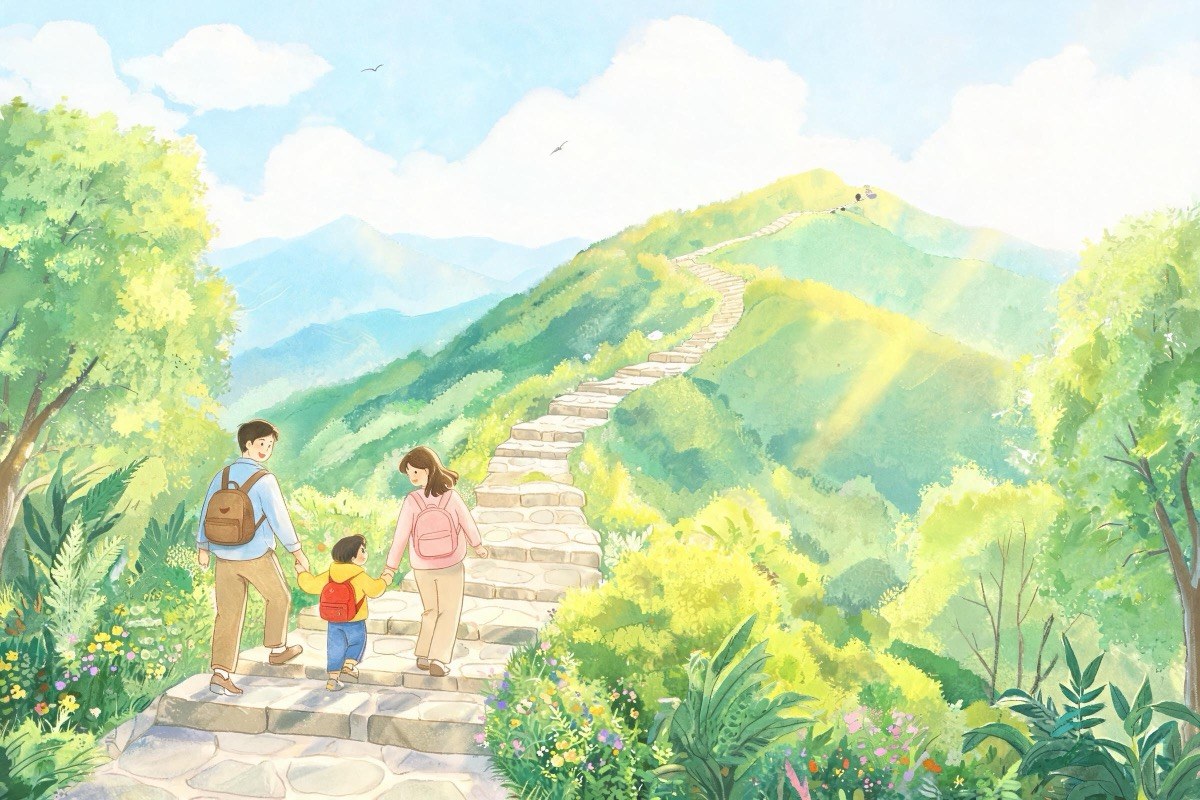
第三个素材是回望来路。到山顶回头看,石阶藏在树丛里,若隐若现,谁也数不清它。把这一眼的感受写清楚:站在每一级上的时候,觉得这一步平平无奇;回头看,才知道自己已经走了这么远。这个反差就是全文的枢纽,前面数得越细,这里越有力量。
三段素材写完,才轮到转折。感悟要短,一两句就够,并且要和前文的细节呼应。比如前文写过石阶中间磨出的凹痕,结尾就可以落在积累会留下痕迹上;前文写过数不清的石阶,结尾就可以落在一代人不必看清全程,只要走稳脚下这一步。结尾自然,靠的是中间有伏笔,而不是感叹号多。
最后检查一遍:三个素材是不是各有一段像样的描写,有没有哪个素材只有一句话带过。素材写匀了,沉稳的语气自然就出来了,结尾的升华也不用使劲,顺着石阶往下说,话说完了,文章也就成了。细节想不起来,就回到爬山的地方站一会儿,具体的东西会自己回来。
How to Write an Essay Built on Stone Steps: Developing Counting, Resting and Looking Back
When students write an essay about what stone steps teach, they often save all their effort for the ending, piling up reflections while the middle stays empty, so the piece reads like a conclusion with examples bolted on. The right order is the opposite: develop the three scenes first, and let the reflection grow out of the details on its own.
The first scene is counting the steps. Do not just say there were many steps; show how you counted. At first you counted one by one, and by step one hundred and twenty your calves began to ache; later you counted in tens, then the numbers fell apart and you stopped counting altogether. The change in the numbers records the change in your strength, which is the plainest evidence of accumulation. Keep the numbers concrete, because vague numbers carry no weight.
The second scene is catching your breath halfway. Write the minute or two on a landing: hands on your knees, sweat running down your collar, your own heartbeat in your ears. Record the tug-of-war honestly, wanting to sit down yet unwilling to give in. No reflection belongs here; the hesitation itself is the material, and keeping it gives the later perseverance its weight.
The third scene is looking back at the road. From the top, the steps hide among the trees, appearing and vanishing, and no one can count them all. Write what that single glance feels like: standing on each step it seemed ordinary, but looking back you see how far you have come. This contrast is the hinge of the essay, and the more carefully you counted before, the stronger it lands.
Only after the three scenes come the turn. Keep the reflection short, one or two sentences, and let it answer an earlier detail. If you described the hollow worn in the middle of the stones, end on accumulation leaving its mark; if you wrote about steps too many to count, end on not needing to see the whole climb, only walking the step under your feet well. An ending feels natural because of planted echoes, not exclamation marks.
Check once more: does each of the three scenes have a proper paragraph, or did one get a single throwaway line? Even out the scenes, and the steady tone appears by itself. The ending needs no force; follow the stone steps downward, and when the sentence is done, the essay is done.
一篇石阶散文的逐段拆解:《第七十二级台阶》好在哪里、不足在哪里
拿一篇初中习作《第七十二级台阶》做例子,逐段看看这类散文哪里站得住、哪里虚。原文不长,正好把三个素材各占一段的结构走了一遍。
第一段写数石阶:作者从第一级开始默数,数到七十二时在一棵歪脖子松树下歇脚,石阶上有一道被鞋底磨出的白印。这一段站得住,好在两处:数字具体,七十二级对应一棵具体的松树,读者能站在原地;磨白的石印是观察得来的细节,不是想象出来的。可取之处在于作者没有急着发议论,只是把印子写在那里。
第二段写中途喘息,问题就露出来了。原文只有两行:我累了,休息一会儿,然后继续走。累了是结论,不是描写。读者看不到手撑膝盖的姿势,听不到呼吸,也感觉不到想走又想坐的犹豫。修改建议是把这两行拆成三句:先写身体,汗、心跳、腿的抖;再写周围,平台上别人在做什么;最后写心里的天平怎么倾斜又怎么扳回来。素材不是补出来的,是回忆时把镜头凑近。
第三段写回望来路,作者写石阶隐在草里,像一条断断续续的白线。这个比喻是全文最好的一笔,白线断断续续,正好对应记忆里的台阶一段清楚一段模糊。可惜作者紧接着就写我明白了坚持就是胜利,把好好的比喻一脚踩扁。比喻本身已经在讲积累,后面那句口号反而把信任读者的底气丢了。
结尾一段原文喊了三声加油。改法是把口号删掉,回到第一段那道磨白的石印:石印是无数只鞋底磨出来的,我的七十二级也在石头上留不下印子,但石头记得所有走过的人。前后呼应,升华落在物上而不是喊在嘴上,沉稳的语气就保住了。
这篇习作的经验可以总结成三句话:数石阶靠具体数字立住,喘息靠身体细节立住,回望靠一个准确比喻立住;感悟从物里长出来,不从嘴里喊出来。写完对照自己的稿子,哪一段只有结论没有画面,就重写哪一段。
A Paragraph-by-Paragraph Reading of an Essay on Stone Steps
Take a middle school draft titled The Seventy-Second Step as an example and see, paragraph by paragraph, where this kind of essay holds up and where it goes soft. The draft is short enough to run through the three scenes, one per paragraph.
The first paragraph counts the steps: the author counts silently from the first, stops at seventy-two under a crooked pine, and notices a white groove worn by shoe soles. This paragraph stands for two reasons. The number is concrete, and seventy-two steps pair with one specific pine, so the reader can stand there with the writer. The worn groove comes from observation, not invention. The author resists commenting and simply leaves the mark on the page.
The second paragraph, about catching breath, shows the weakness. The original has only two lines: I was tired, rested a while, then kept going. Being tired is a conclusion, not a description. The reader sees no hands braced on knees, hears no breathing, feels no tug between sitting and walking. The fix is to split those two lines into three moves: the body first, sweat, heartbeat, trembling legs; the surroundings next, what others on the landing are doing; then the mind tipping one way and being pulled back. The scene is not invented but recalled with the camera moved closer.
The third paragraph looks back: the steps vanish into grass like a white thread breaking and reappearing. This is the best figure in the essay, because the broken thread matches how memory keeps some flights clear and others blurred. Sadly the author then writes that persistence means victory, stomping the good image flat. The metaphor already speaks of accumulation; the slogan afterward throws away the trust in the reader.
The original ending shouts three cheers. Delete the slogans and return to the worn groove from the first paragraph: the groove came from countless soles, and my seventy-two steps will leave no mark, yet the stone remembers everyone who passed. With the echo closed, the lift lands on the object instead of the mouth, and the steady tone survives.
The lesson fits three lines: counting stands on concrete numbers, resting stands on bodily detail, looking back stands on one accurate image; reflection grows out of things, not out of shouting. Compare your own draft and rewrite any paragraph that has a conclusion but no picture.
小提示:上面此文档内容仅展示完整文档里的部分内容, 若需要下载完整文档请 点击免费下载完整文档 。