文章内容
六年级读后感范文:从故事里读懂坚持
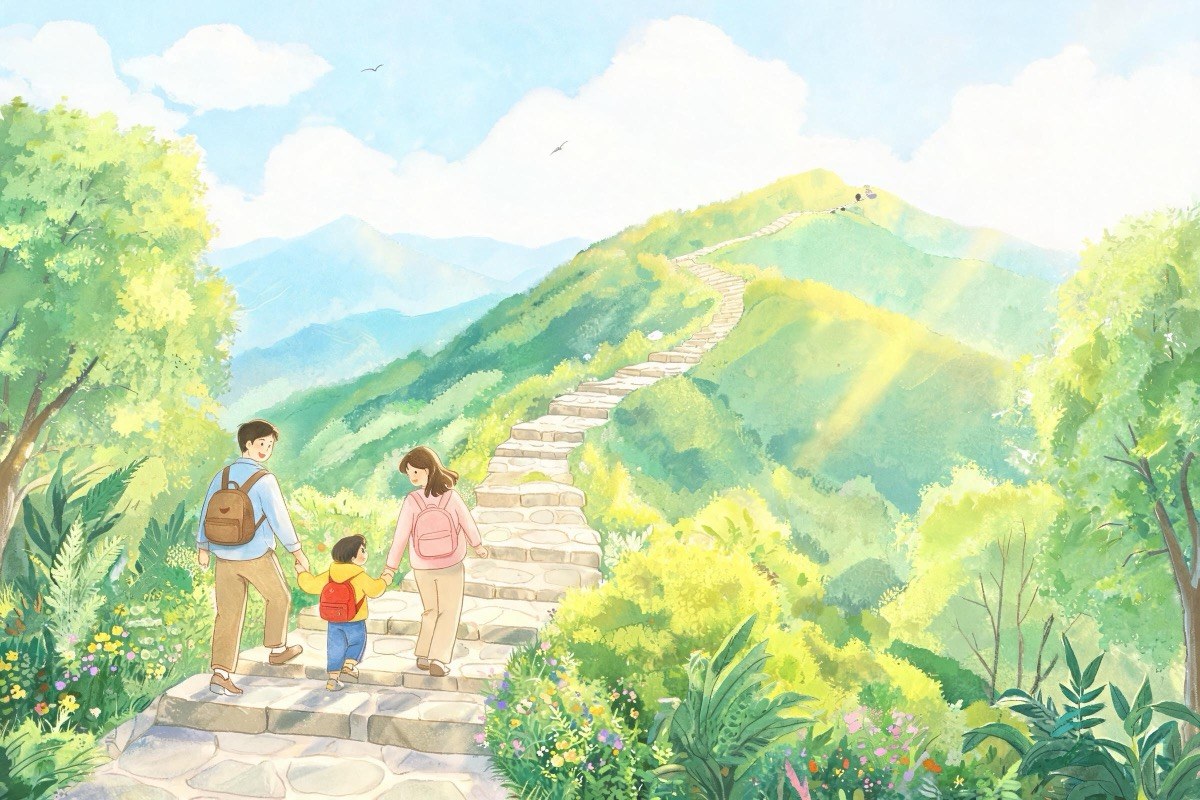
读《挑山工》这篇课文时,我在印象最深的一句话下面画了线:他挑着担子,脚步却比空手的游客还稳,因为一路上他从不东张西望,只是朝着同一个台阶,一步一步踩实。这句话让我停下来想了很久。以前我总觉得坚持是一句口号,写作文时随手就能写上去,却说不清坚持到底是什么样子。这句话把坚持写成了具体的动作:不左顾右盼,把同一个动作重复做下去。
我想起练跳绳的那段日子。刚开始,绳子总是打脚,一分钟只能跳三十个,手腕一快就绊住,跳一下歇三下。后来体育老师只让我改一个地方:每天只练一个动作,第一天练手腕摇绳,第二天练前脚掌落地,第三天练呼吸节奏。每个动作练五分钟,练完就停,不多练。三周以后,我一分钟能连续跳一百二十个,中间只断了一次。当时我没多想,现在对照课文才明白,这就是挑山工的走法:不跟别人比快慢,只把今天这一步踩稳。
课文里还有一处细节:山路上青苔最多的一段,恰恰是挑山工天天踩出来的脚印。我由此想到自己练字的经历,每次都是三分钟热度,买回字帖写两天就放下,放下时还安慰自己下次一定好好写。三分钟热度没有错,错的是只靠热情、不靠方法。热情退掉以后,我没有定过每天写几行,也没有定过什么时候对照一次,所以字帖换了一本又一本,字还是原来的字。
今后的打算是把练字这件旧事重新捡起来,但换个做法。我不再买新字帖,就用每天的家庭作业,把当天最难写的十个字认真写三遍,写完在日期旁边画一个勾。周末把这一周的作业本翻一遍,看看哪几个字已经和字帖接近了。练跳绳也一样,每天固定跳两组,每组一分钟,断了几次都记在本子上。这些打算都不靠热情,靠的是每天固定的动作。课文里的挑山工没有说过一句坚持,他只是把担子挑起来,把台阶踩实。我想,把一件事做成,大概也是这个样子:先定一个能天天做的动作,再让时间去数脚印。
A Sixth Grader Reading Response: What Perseverance Means in a Story
While reading the story of the mountain porter, I underlined one sentence that stayed with me: he carried a heavy pole on his shoulder, yet his steps were steadier than those of empty-handed tourists, because all the way up he never looked left or right, and simply pressed each step firmly toward the same stair. I stopped and thought about that sentence for a long time. Before, I treated perseverance as a slogan I could drop into any essay without knowing what it looked like in real life. The sentence turns perseverance into concrete action: keep your eyes forward, and repeat one movement again and again.
It reminded me of the days I practiced jump rope. At first the rope kept catching my feet, and I could only manage thirty jumps a minute; if I swung faster, I tripped at once, jumping once and resting three times. Then my PE teacher changed only one thing: every day I practiced a single skill, wrist turning on day one, landing on the balls of my feet on day two, breathing rhythm on day three. Five minutes per skill, then stop, never more. Three weeks later I could jump one hundred and twenty in a row with only one break. I did not think much of it then, but reading the story now I see that this is exactly how the porter climbs: do not race others, just make today one firm step.
One more detail in the story: the mossiest stretch of the mountain path was exactly where the porter daily pressed his footprints. That made me think of my own calligraphy practice, which always lasted three minutes of enthusiasm. I bought copybooks, wrote for two days, gave up, and comforted myself that next time I would try harder. Enthusiasm itself is not the problem; relying on it alone is. After the excitement faded, I never set a daily number of lines or a weekly check, so the copybooks changed one after another while my handwriting stayed the same.
My plan now is to pick calligraphy back up with a different method. I will not buy a new copybook. I will use the daily homework, writing the ten hardest characters of the day three times each, then ticking the date in the margin. On weekends I will flip through the week of notebooks and see which characters already look close to the copybook. Jump rope follows the same rule: two fixed sets every day, one minute each, recording every trip in a small book. None of these plans runs on enthusiasm; they run on one fixed action per day. The porter never said the word perseverance. He lifted the pole and pressed the stairs. Getting one thing done, I think, looks much the same: first choose an action you can repeat every day, then let time count the footprints.
读后感范文逐段点评:三个素材怎么接起来
这篇读后感第一段只做一件事:引出书里那句话,并把它抄完整。很多同学的读后感开头是「这本书让我受益匪浅」,读完不知道书里到底写了什么。范文把「他挑着担子,脚步却比空手的游客还稳」原句放进来,后面紧跟一句自己的反应:以前把坚持当口号,现在看见坚持是动作。引用加反应,两段之间就有了钩子。可模仿的做法是:合上书之前先抄一句原句,写读后感时从这句原句出发。
第二段写练跳绳,写法上值得学的是「只改一个地方」。范文没有写「我每天刻苦练习」,而是写了老师安排的三个具体动作:手腕摇绳、前脚掌落地、呼吸节奏,每天只练一个,五分钟就停。数字也具体:三十个、一百二十个、三周。点评时把这段和课文对照:挑山工不东张西望,对应「每天只练一个动作」;台阶一步一步踩实,对应「五分钟就停,不多练」。这就是联系实际的正确姿势——不是把书里的道理和自己的事各说一遍,而是找出两者形状相同的地方。
第三段写练字,故意写了失败的经历。这一点很关键:读后感里的「自己」不必是正面典型。范文写三分钟热度、买字帖、安慰自己下次好好写,全是真实的小动作。它还补了一句分析:错的是只靠热情不靠方法,没有每天写几行、没有定期对照。有了这句分析,这段就不只是记事,而是真的在「感」。写自己的反面例子时,记得跟一句原因分析,不然读者只看到故事,看不到感想。
第四段写打算,全部落在可检查的动作上:用作业本练十个难字写三遍、日期旁画勾、周末翻本子、跳绳两组一分钟、断几次记在本上。没有「我以后一定坚持」这种句子。结尾回扣课文:挑山工没说过坚持,只是把担子挑起来把台阶踩实。回扣不是重复开头,而是把书里的人物和自己的做法并排放一次,让读者看见两者重合。整段可模仿的公式是:打算要能数得出来,结尾要让书和人再碰一次面。
把四段连起来看,这篇范文的骨架是「原句—经历—反面经历—打算」,前两段联系成功,第三段联系失败,第四段把失败改成做法。三个素材不是并列摆放,而是层层递进:先懂道理,再验证道理,再发现没道理时的样子,最后补上方法。按这个骨架换自己的素材,跳绳换成骑车、练字换成弹琴,文章结构照样成立。
Paragraph-by-Paragraph Notes: How Three Materials Connect in a Reading Response
The first paragraph of this reading response does one job only: bring in the sentence from the book and quote it in full. Many students open with this book benefited me greatly, and the reader never learns what the book actually said. The model essay places the original line about the porter steadier than empty-handed tourists right at the start, then follows with a personal reaction: I used to treat perseverance as a slogan, now I see it as an action. Quote plus reaction forms a hook between the two parts. The transferable habit: copy one original sentence before closing the book, and start the response from that sentence.
The second paragraph about jump rope is worth studying for its change only one thing approach. Instead of writing I practiced hard every day, the essay lists three concrete drills assigned by the teacher: wrist turning, landing on the balls of the feet, breathing rhythm, one per day, five minutes then stop. The numbers are concrete too: thirty jumps, one hundred and twenty, three weeks. In commentary, match this paragraph with the story: the porter not looking around corresponds to one drill per day; pressing each step firm corresponds to stopping at five minutes. That is the right way to connect reading with life, not retelling the moral and the story separately, but finding where the two share the same shape.
The third paragraph about calligraphy deliberately recounts a failure, and that matters. The self in a reading response does not have to be a model student. The essay records three minutes of enthusiasm, buying copybooks, and comforting myself about next time, all small true gestures. It adds one line of analysis: the mistake was relying on passion without method, with no daily line count and no weekly check. With that analysis the paragraph stops being a diary entry and becomes real reflection. When writing a negative example about yourself, always follow it with a sentence on why, or the reader sees only a story.
The fourth paragraph lists plans that are all checkable actions: ten hard characters from homework written three times, a tick beside the date, flipping the notebooks on weekends, two one-minute rope sets, recording each trip. There is no sentence like I will surely persist from now on. The ending returns to the story: the porter never said perseverance, he only lifted the pole and pressed the stairs. A return is not repeating the opening; it is placing the book character and your own practice side by side once more so the reader sees them overlap. The formula to copy: plans must be countable, and the ending should let the book and the person meet again.
Read the four paragraphs together and the skeleton is original sentence, success story, failure story, plan. The first two connect through success, the third through failure, the fourth turns failure into method. The three materials are stacked as a progression: understand the idea, test it, see what happens without it, then add a method. Swap in your own materials, replace rope with cycling or calligraphy with piano, and the structure still holds.
小提示:上面此文档内容仅展示完整文档里的部分内容, 若需要下载完整文档请 点击免费下载完整文档 。