文章内容
初中生登山作文三步构思:从清晨出发到山顶感悟
这篇作文的三个素材不是并列关系,是一条线:清晨登山铺垫状态,挑山工制造转折,登顶感受收束全文。构思时先定这条线,再分配字数,假设全文六百多字,清晨约一百五十字,挑山工约二百五十字,登顶约一百八十字,中间最重,因为自我突破的触发点就在遇见挑山工那一刻。
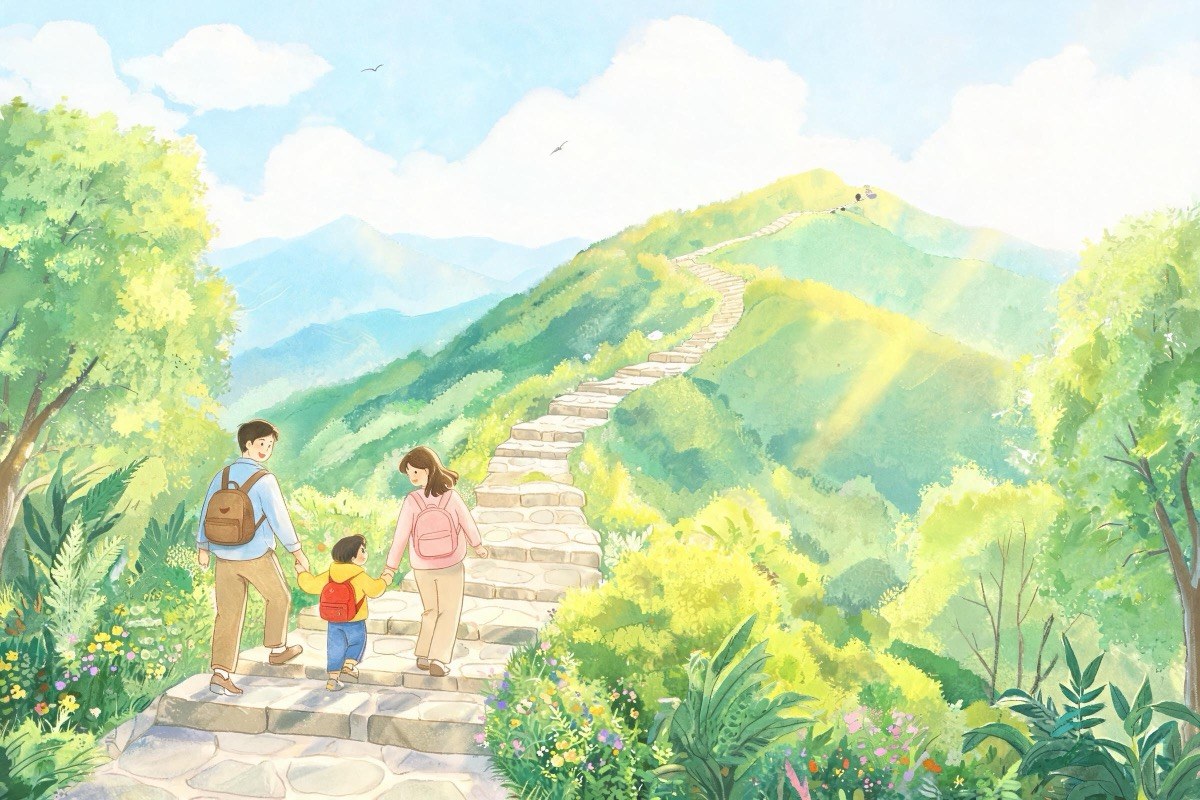
清晨登山要写出独自随家人的特殊氛围。天没亮透,山门口的路灯还亮着,卖水的小摊刚支起来,台阶上露水打湿鞋边。写自己的状态:刚开始步子快,把父母落在后面,二十分钟后话少了,喘气声变粗。这段的任务是让读者看见一个逞强又没经验的人,为后文的转折埋底。议论先不要出现,状态写足就够了。
挑山工段是全文枢纽,写法是先看见再懂得。先写外形:扁担压弯,货物用油布裹着,草鞋踩在台阶边缘,一步一步不紧不慢,肩膀换边时把扁担在肩上挪半寸。再写动作细节:他超过我时侧身让路,担子擦着石壁过,我贴墙让他先走。然后写懂得:他步子不快却没停过,我从喘着歇到走十步停一步,他反而先到了上面。议论在这里可以进一句,点到为止:我输的不是腿,是停下来的习惯。这句必须挂在刚才的画面之后,不能单独成段喊出来。
登顶感受段避免空泛的办法是只写两个画面加一句收束。画面一:风把汗吹凉,山下的镇子小得像铺开的图纸。画面二:回想挑山工换肩的那半寸,忽然明白所谓收获不是爬到顶,是中途没让自己坐下。收束句落在更好的自己上,但要具体:下次再累,我想先走十步,再决定停不停。这句话把议论拉回可执行的行为,比坚持就是胜利结实得多。
自查两处:全文议论句不超过三句,每句前面必须有画面垫着;挑山工不能写成励志符号,要有扁担、草鞋、换肩这些实物。语言成熟靠细节准确,不靠形容词堆叠。
A Three-step Plan for a Junior High Hiking Essay: From Dawn Start to Summit Insight
The three required materials are not parallel, they form one line: the dawn climb sets the state, the porter creates the turn, the summit closes the piece. Fix that line first, then split the budget. For about six hundred words: dawn around one hundred fifty, the porter around two hundred fifty, the summit around one hundred eighty. The middle carries the most weight because the self breakthrough is triggered the moment the porter appears.
The dawn climb must show the special mood of going alone with family. Sky not yet bright, lamps at the gate still on, a water stall just being set up, dew wetting the shoe edges on the steps. Show my state: fast steps at first, leaving my parents behind, then after twenty minutes talking less, breathing getting rough. This paragraph only needs to let readers see a tough-talking beginner; no reflection yet, the state alone is enough.
The porter paragraph is the hinge. Write seeing first, understanding later. Appearance first: the carrying pole bent under the load, goods wrapped in oilcloth, straw sandals stepping on the edge of the stairs, unhurried step by step, shifting the pole half an inch when changing shoulders. Then action: he turns sideways to pass me, the load brushing the rock wall, I press against the wall to let him go first. Then understanding: his pace is slow yet never stops, while I go from resting out of breath to ten steps then a stop, and he still reaches above me first. One line of reflection may enter here, brief: what I lost was not my legs but the habit of stopping. That line must hang right after the images, never shouted as a standalone paragraph.
The summit paragraph avoids emptiness by writing only two images plus one closing line. Image one: wind cooling the sweat, the town below small as an unrolled blueprint. Image two: recalling that half-inch shoulder shift, suddenly understanding the gain was not reaching the top but not letting myself sit down halfway. The closing lands on a better self, concretely: next time I am tired, I will walk ten more steps before deciding to stop. That line pulls reflection back to an executable act, far sturdier than persistence wins.
Check two things: no more than three reflection sentences in the whole essay, each with images underneath; the porter must not become an inspiration icon, keep the pole, sandals, shoulder shift. Mature language comes from accurate detail, not stacked adjectives.
范文点评《扁担换肩的半寸》:挑山工如何撑起一篇600字记叙文
假设范文《扁担换肩的半寸》第一段:五点半,山门前的石阶还泛着青灰,我系紧鞋带冲上去,二十步就把爸妈甩成两个小点。爬到第二座凉亭,我扶着柱子喘,喉咙里发干,才发现水壶落在车后座。点评:逞强和狼狈放在同一段,冲上去和扶着柱子喘两个动作对照,人物立住了。水壶丢了这个细节好,它让后面的渴和慢都有了来由,不是硬安排的。
第二段写挑山工:他从我后面赶上来,扁担两头是鼓鼓的油布包,担子压得中间弯下去。他在台阶上侧身,让我贴墙,草鞋头正好踩在石沿内侧。往上走了一段我歇了三次,他一次没停,只是换肩时把扁担在肩上挪半寸,像给肩膀挪个班。点评:这段的功力在顺序,先让挑山工超过我,再写我歇他不停,对比自己长出来,不用作者出面感慨。挪半寸这个细节是全篇的眼睛,比咬牙坚持四个字值钱,因为它可看见、可验证。
第三段的议论:坐在顶上,我忽然想,我输给他不是腿脚,是我一累就先坐下的习惯,他不是我快慢的对手,是习惯的对手。点评:议论只有一句半,且紧跟在歇三次和换肩的画面后,读者已经自己比对过,作者只是替读者说破。这就是议论不空泛的办法,先给证据,再给结论,顺序不能反。
第四段收尾:下山时我数着台阶走,十步一呼十步一吸,超过一个蹲着揉腿的游客。爸妈在坡口等我,说我今天像换了个人。我把水壶从包里拿出来喝了一口,早上丢的那个是备用的,这个是我在半山小铺买的。点评:结尾用行为写变化,数台阶、超游客,都是清晨那段的反面,变化不用宣布。买水壶补上了开头的丢壶,首尾扣上,顺手写出独立,扣题山路尽头是更好的自己,扣在动作上。
可改进处:挑山工出场前可加一句远处传来闷响,扁担吱呀,让出场有声音引路,减少突然感。全文可学的三条:细节选可验证的小动作;议论跟在画面后;首尾用同一件物品扣合。
Commentary on a Model Essay: How a Porter Carries a 600-word Narrative
Suppose the model essay is titled The Half-inch Shoulder Shift. Its first paragraph: at five thirty, the stone steps at the gate still gray-green, I tied my laces tight and dashed up, twenty steps and my parents shrank to two dots. By the second pavilion I was leaning on a pillar gasping, throat dry, only to find my water bottle left on the car seat. Comment: bravado and misery share one paragraph, dashing up versus leaning and gasping, the character stands. The lost bottle is a good detail, it gives the later thirst and slowness a real cause instead of a staged one.
The second paragraph brings in the porter: he caught up from behind, oilcloth bundles bulging at both ends of the pole, the pole bending in the middle. He turned sideways on the steps so I pressed to the wall, his straw sandals landing just inside the stone edge. Above, I rested three times, he never once stopped, only shifting the pole half an inch on his shoulder when changing sides, like giving the shoulder a shift change. Comment: the craft is in order, let him pass me first, then show my rests against his non-stop pace, the contrast grows by itself without the author moralizing. The half-inch shift is the eye of the piece, worth more than the words grit and persevere, because it is visible and verifiable.
The reflection in the third paragraph: sitting at the top it struck me, I lost to him not in legs but in my habit of sitting down the moment I am tired; he was not my rival in speed but in habit. Comment: barely one and a half sentences, right after the images of three rests and the shoulder shift, readers have already compared, the author only says it aloud for them. That is how reflection stays concrete, evidence first, conclusion second, never the reverse.
The closing paragraph: downhill I counted steps, ten in breath ten out, passing a tourist squatting and rubbing his knee. My parents waited at the slope mouth, saying I seemed like a different person today. I took out the bottle and drank, the one lost that morning was a spare, this one I bought at a mid-slope stall. Comment: change is written through behavior, counting steps, passing people, all reversals of the dawn paragraph, no announcement needed. Buying the bottle closes the loop with the lost one, and independence shows in the act, landing the theme at the end of the trail is a better self on actions.
One fix: before the porter appears, add a dull sound from afar, the creak of the pole, so his entrance has a sound leading it, less abrupt. Three takeaways: pick small verifiable gestures; keep reflection behind images; open and close with the same object.
小提示:上面此文档内容仅展示完整文档里的部分内容, 若需要下载完整文档请 点击免费下载完整文档 。