文章内容
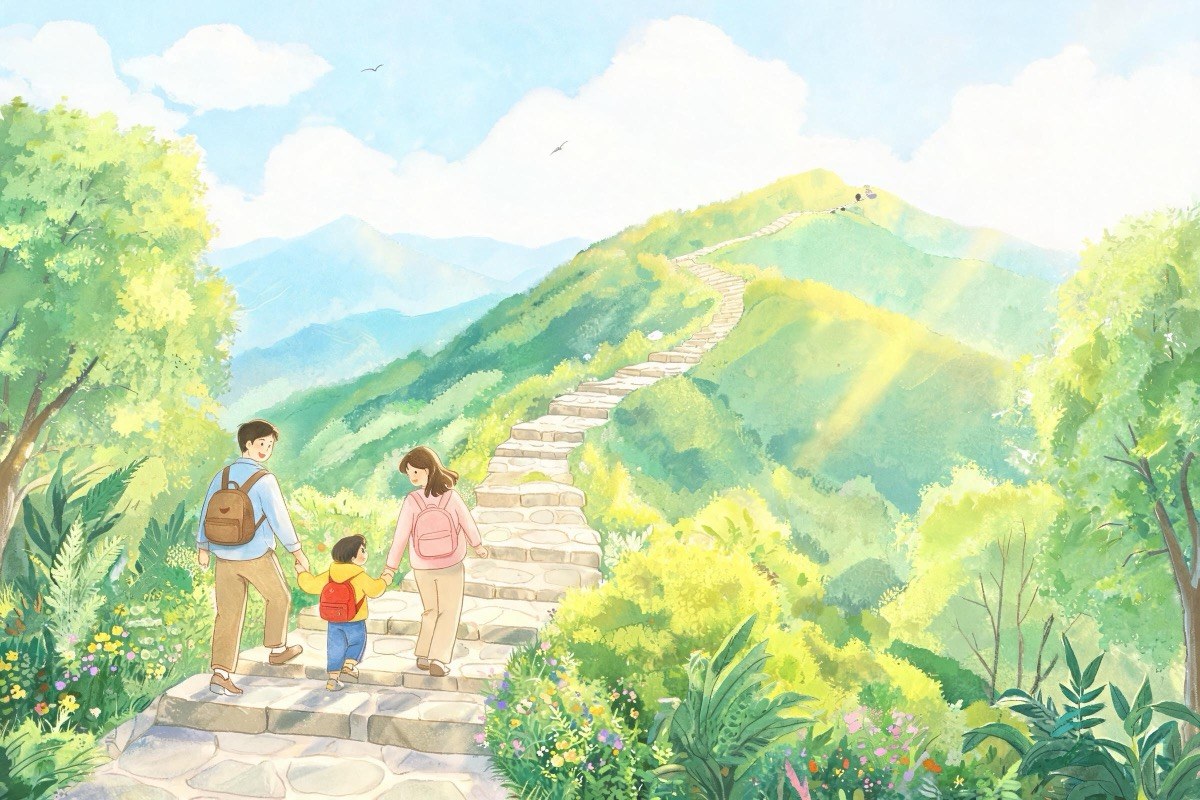
朋友约爬山怎么准备:查路线与补水的自我管理清单
和朋友约爬山,第一步是查路线,不是查哪家索道好玩。打开地图软件搜这座山,看三样东西:上山步行的公里数、爬升高度、别人走过的实拍照片。公里数决定要不要去,爬升高度决定累不累,照片决定走哪条道。假设查出来上山四公里、爬升四百米,对初中生来说半天刚好;如果爬升超过八百米,就把当天安排改成只上半山。查完把路线截图发到群里,配一句我走这条,你们看行不行,这就是说走就走的全部准备,二十分钟够了。
第二步是定集合规则和备用方案。和朋友出行最容易崩的是时间。规则要具体:几点几分在山门口石碑见,迟到二十分钟以内自己打车来,超过二十分钟按原计划先走。备用方案写一条:下雨就改去博物馆,谁也别劝谁。规则发在群里,每个人回一个收到,这件事就算定了。独立出行和跟家长出来的区别就在这:出了问题,规则先于情绪。
第三步是路上的补水休息节奏。初中生常犯的错是前半程冲太快、水一次喝完。给自己定一个笨办法:每二十分钟喝三口水,不管渴不渴;每四十分钟坐下休息五分钟,不管累不累。背包里带一瓶五百毫升的水加一小包电解质冲剂,爬到一半把水兑上。朋友要是想冲,就约好他领先五十米等回头,节奏不一致比走得慢更容易散伙。
第四步是下山后的腿酸管理。下山后腿酸是第二天才最明显,提前做两件事:到家先用热水冲小腿两分钟,再靠墙把腿举高十分钟;第二天照常起床走路,酸会轻很多。完全躺一天反而更酸。把这两件事写进日记的结尾,比写虽然很累但很满足有信息量,读者知道酸怎么处理,也知道你下次还敢去。
清单收拢成四行:路线查公里数爬升和照片;集合规则加迟到条款加雨天方案;每二十分钟三口水每四十分钟歇五分钟;热水冲腿加举高加第二天照常走。四行都做到,说走就走就不是冲动,是能力。日记里不用写清单本身,把清单变成路上发生的事:谁迟到了、谁水喝太快、谁第二天瘸着腿来上学,清单就活了。
Preparing a Hike with Friends: Route Planning and Hydration Self-Management
When planning a hike with friends, step one is checking the route, not which cable car looks fun. Search the mountain on a map app and look at three things: walking distance uphill, elevation gain, and real photos from people who went. Distance decides whether to go, elevation decides how tiring, photos decide which trail. Suppose it shows four kilometers up with four hundred meters of gain, just right for a middle schooler in half a day; if the gain exceeds eight hundred meters, change the plan to only the half mountain. Screenshot the route into the group chat with one line, I will take this trail, tell me if it works. That is all the preparation a spontaneous trip needs, twenty minutes.
Step two is setting the meeting rule and a backup plan. Friend trips fall apart over time. Make the rule concrete: meet at the gate stone at ten past eight, latecomers within twenty minutes take a taxi, beyond twenty minutes we start without them. One backup line: if it rains we switch to the museum, and nobody persuades anybody. Post the rule in the group, everyone replies got it, and it is settled. The difference between going out alone and going with parents is exactly this: when something goes wrong, the rule comes before the mood.
Step three is the rhythm of water and rest on the trail. The classic middle school mistake is sprinting the first half and finishing the water at once. Set a dumb rule for yourself: three sips every twenty minutes whether thirsty or not, sit down five minutes every forty minutes whether tired or not. Carry a five hundred milliliter bottle plus a sachet of electrolytes, and mix it at the halfway point. If a friend wants to sprint, agree he leads fifty meters ahead and waits, because mismatched pace breaks up a group faster than slow walking.
Step four is managing sore legs after the descent. Soreness peaks the next day, so do two things in advance: rinse your calves under hot water for two minutes when home, then put your legs up against the wall for ten minutes; get up and walk normally the next day, and the soreness eases much faster. Lying flat all day makes it worse. Put these two things at the end of the diary instead of writing tired but satisfied, and the reader learns how soreness is handled and that you dare go again.
Gather the checklist into four lines: route checked for distance, gain, and photos; meeting rule plus late clause plus rain plan; three sips every twenty minutes, five minute break every forty; hot water on calves, legs up, walk normally next day. Do all four and spontaneity is not impulse but competence. The diary does not list the checklist; it turns the checklist into things that happened on the trail: who was late, who drank water too fast, who limped to school the next day, and the checklist comes alive.
初中生登山日记范文点评:独立藏在决策里
范文开头:七月十八日星期六晴。这趟山是我们自己定的,没有大人。周五晚上我查了路线,上山四公里,爬升四百米,截图发群里,三个人都回了收到。点评:没有大人五个字是整篇的立场,但它放在第二句,第一句先交日期天气,格式没丢。查路线这段写得很克制,只写了查什么、查到什么、发群里、收到四步,没有写我费了多少心思。独立的第一课是做事不邀功,日记里也一样。
范文第二段:周六八点二十,林子迟到了十五分钟,自己打车来的,见面先递给我一瓶水当赔礼。我们按原计划进山,没有等他买早餐,他边走边啃面包。点评:这一段是全篇最好的地方。迟到、打车、递水赔礼、没等他买早餐,四个动作连成一串,规则在事实里生效了。写和朋友出行,最容易失手的是把迟到写成我很生气,把规则写成我们约好了不能迟到。范文让迟到自己发生,规则不用出场读者也看得见。
范文第三段:我每二十分钟喝三口水,林子笑我像定闹钟。爬到两公里他水喝完了,把他那半包电解质分给他,兑上我剩的水。后半程我们改成他走前面带路,我负责看地图截图。点评:补水这段的价值在分工:我定节奏,他带路,我看地图。独立出行不是各走各的,是分工写出来了。分电解质这个细节也好,半包是具体的量,写一包反而假。写途中休息,记得给每个人一个角色,流水账立刻变成团队。
范文第四段:下山时膝盖往前冲,我侧着身子下一级一级下。到家腿开始酸,按网上看的办法热水冲了两分钟,靠墙举腿十分钟。周日酸得更厉害,但我照常走去姥姥家,进门时步子反而顺了。点评:侧着身子下台阶是身体自己学的办法,照常走去姥姥家是验证,两个动作把腿酸写完整了。很多日记写腿酸只写很酸,酸完就完,范文多写了酸之后怎么办、验证结果如何,这就是个人思考的样子,思考不是抒情,是做完之后的核对。
收尾:这趟山没有大人,我们三个把四公里走完了。下次试试爬升八百米的,先把集合时间定得更狠一点。点评:收尾一句总结加一句下一步,下一步里还带了对这次的小修正,把集合时间定得更狠,说明作者复盘过迟到这件事。可模仿的公式:立场放前段,规则靠事实生效,途中写分工,酸之后写验证,收尾留一个下次的修正。
A Middle School Hiking Diary Reviewed: Independence Lives in Decisions
The model opens: Saturday July eighteenth, sunny. This hike was decided by us alone, no adults. On Friday night I checked the route, four kilometers up, four hundred meters of gain, sent the screenshot to the group, and all three replied got it. Comment: no adults, five words, is the stance of the whole piece, but it sits in the second sentence while the first hands over date and weather, so the format is kept. The route checking paragraph is restrained, only four steps: what I checked, what I found, posting it, replies received, with no mention of how much effort it took. The first lesson of independence is doing things without claiming credit, and the diary follows the same rule.
Paragraph two: at eight twenty on Saturday, Lin was fifteen minutes late, arrived by taxi, and handed me a bottle of water as an apology when we met. We entered the mountain as planned without waiting for him to buy breakfast, and he ate bread while walking. Comment: this is the best paragraph in the piece. Late, taxi, water as apology, not waiting for breakfast, four actions in a chain, and the rule takes effect inside the facts without being announced. The classic slip in writing a friend trip is turning lateness into I was furious and the rule into we agreed not to be late. The model lets lateness happen, and the reader sees the rule anyway.
Paragraph three: I took three sips every twenty minutes, and Lin laughed that I was an alarm clock. At the two kilometer mark he finished his water, so I split my half sachet of electrolytes and mixed it with my leftovers. For the second half he walked ahead leading the way while I watched the map screenshot. Comment: the value of this paragraph is the division of labor: I set the pace, he leads, I read the map. Independent travel is not everyone walking their own way; it is the division of labor written down. Splitting half a sachet is also good, because half is a concrete amount and a whole sachet would read fake. When writing rest stops, give each person a role, and a duty log becomes a team.
Paragraph four: going down my knees lunged forward, so I turned sideways and took the steps one at a time. At home my legs began to ache; following an online tip I rinsed them under hot water for two minutes and held them up against the wall for ten. Sunday ached worse, but I walked to Grandma house as usual, and by the door my steps had smoothed out. Comment: turning sideways on steps is a method the body learns by itself, and walking to Grandma house as usual is the verification; together the two actions complete the soreness. Many diaries write sore legs and stop there; the model adds what was done after and how it was checked, and that is what personal thinking looks like, not lyricism but a check-up after the deed.
The closing: no adults on this trip, and the three of us finished four kilometers. Next time try eight hundred meters of gain, and set the meeting rule even stricter. Comment: one summary line plus one next step, and the next step carries a small correction from this trip about the meeting time, showing the author reviewed the lateness. The formula to copy: stance early, rules enforced by facts, roles on the trail, verification after soreness, and a closing that leaves one correction for next time.
小提示:上面此文档内容仅展示完整文档里的部分内容, 若需要下载完整文档请 点击免费下载完整文档 。