文章内容
长绳断了的那几个课间
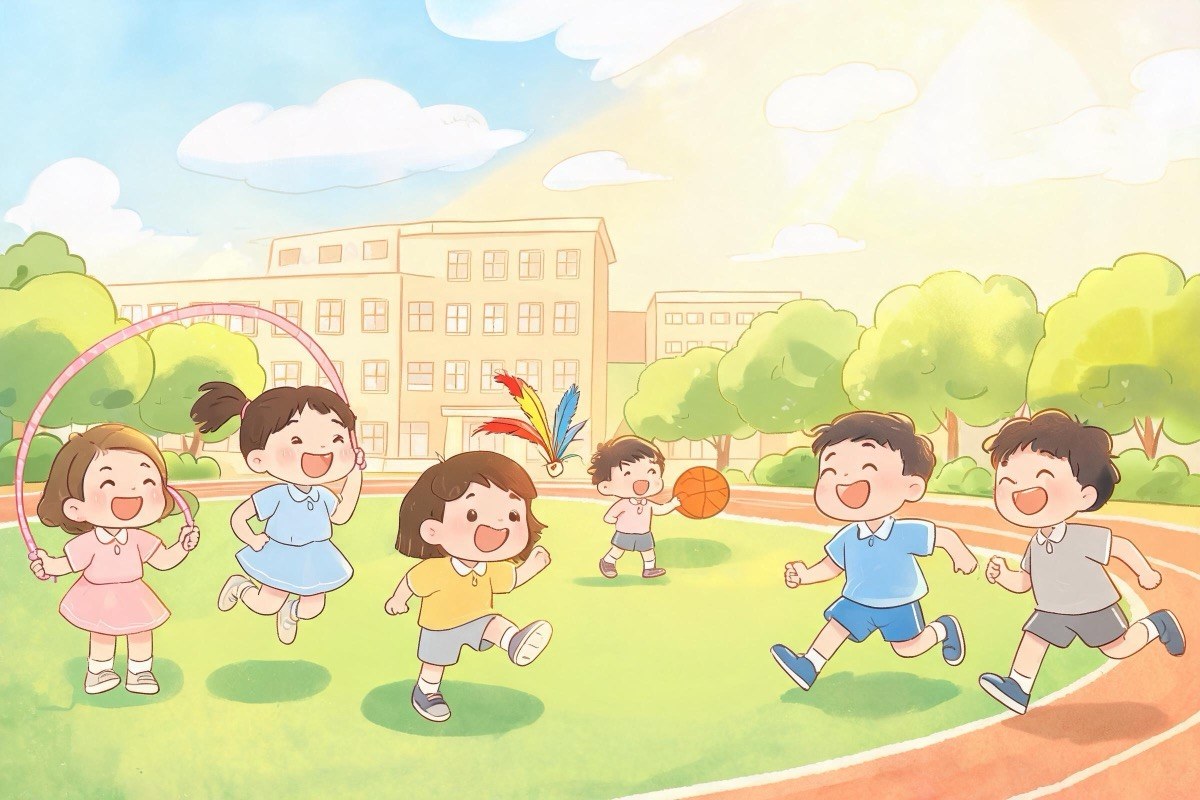
初二上学期的课间,我们班流行长绳接力。规则很简单:两个人摇绳,剩下的人一个接一个冲进去跳一个再跑出来,十分钟内数总数。听起来谁都会,真跳起来才知道,难的不是跳,是衔接。前面的人刚出来,后面的人就冲进去,绳还没甩到位,一脚绊住,全排停下重来。
头三个课间,我们的成绩停在三十几个。第四个课间出事了。冲进去的是赵磊,出来的是我,我出来慢了半步,赵磊跟着冲,绳打在他小腿上,接力断了。他冲我喊,你出来能不能快点。我火也上来了,说你自己看准绳再进。两个人隔着绳吵,摇绳的李想喊了一声,都别吵了,绳都停了。全场安静了几秒,那几秒特别难熬,我听见隔壁班跳绳的数数声,一下一下的。
有人提议散伙,各玩各的。体育委员宋阳没让散。他说,十分钟太短,不够吵架,够再跳一轮。他拿手指点着队伍说,问题不在谁慢,在没人管顺序。从现在起定三条:进去的人喊一声再进,出来的人往左跑,摇绳的喊节拍。三条规矩,写在黑板角上,就这么定了。
说实话,头两轮还是乱。有人忘了喊,有人出来往右拐差点撞上新进来的人。但奇怪的是,没人再吵架了。规矩立起来以后,火气好像有了出口:谁出错,别人指一下黑板角,他就认了,重新排队。李想摇绳开始嘴里数,一、二、三,绳落地的那一下永远在数到二的时候。我们不再各跳各的,开始听同一个拍子。
第七个课间,我们跳到了八十九。第九个课间,一百零三个,绳没断过。冲进去的顺序还是赵磊在我后面,我出来照旧往左跑,他照旧喊一声再进。一百零三个落地的时候,全班在操场边上炸开了,赵磊跟我对了一下掌,什么也没说。那一下比说什么都有用。
现在回想那段时间,我记住的不是数字。我记住的是那三条写在黑板角上的规矩,和规矩生效前后操场上的两种安静。吵架之前的安静是僵的,谁也不看谁;规矩定下之后的安静是齐的,所有人听同一个节拍。我以前以为合作靠的是脾气好,忍让,互相喜欢。后来发现不是。合作靠的是把话说明白:谁先谁后,出错怎么办,定了就认。十分钟不长,够吵一架,也够把一架吵成一套规矩。这套规矩后来用到了小组实验、篮球分组、合唱排位上,处处都是那三条的变体。课间的长绳断了又甩起来,甩起来的不只是绳,还有一群人学着往同一个拍子上站。
The Breaks When the Long Rope Broke Our Rhythm
In the first term of eighth grade, long rope relays became the thing our class did at breaks. The rule was simple: two people swing, everyone else runs in one at a time, jumps once, and runs out; count the total within ten minutes. It sounded easy. We only learned that the hard part is not jumping but the handoff. The next runner would charge in before the previous one was clear, the rope would not be in position, a foot would catch, and the whole line would stop and start over.
For three breaks our score stuck in the thirties. On the fourth break, trouble came. Zhao Lei was running in while I was still coming out. I was half a step slow; he charged anyway, and the rope whipped his shin. The relay broke. He shouted at me, can you come out any faster. My temper rose too, and I said aim for the rope before you run in. The two of us argued across the rope, and Li Xiang, who was swinging, yelled, stop it, the rope is already stopped. The whole yard went quiet for a few seconds, and those seconds were unbearable. I could hear the class next door counting their jumps, one by one.
Someone suggested breaking up and doing our own thing. PE monitor Song Yang would not let it happen. He said ten minutes are too short for a fight but long enough for one more round. He pointed down the line and said the problem is not who is slow; it is that nobody owns the order. From now, three rules: call out before running in, run left when coming out, and the swingers keep the beat. Three rules, written on the corner of the blackboard. Done.
Honestly, the first two rounds were still messy. People forgot to call out; someone turned right on the way out and nearly collided with the runner coming in. But strangely, nobody fought anymore. Once the rules stood, the temper found an outlet: when someone erred, another would point at the corner of the blackboard, and the offender accepted it and rejoined the line. Li Xiang started counting aloud while swinging, one, two, three, and the rope always landed on two. We stopped jumping as individuals and started listening to one beat.
On the seventh break we reached eighty-nine. On the ninth, one hundred and three, with no breaks in the rope. Zhao Lei still ran in behind me, I still ran left on the way out, he still called out before entering. When the one hundred and third jump landed, the class erupted at the edge of the field, and Zhao Lei and I slapped palms without saying a word. That slap said more than words could.
Thinking back now, what I remember is not the number. I remember the three rules on the corner of the blackboard, and the two kinds of quiet on the field before and after they took effect. The quiet before the fight was stiff; nobody looked at anybody. The quiet after the rules was aligned; everyone listened to the same beat. I used to think cooperation depended on good temper, on giving in, on liking each other. It does not. Cooperation depends on saying things plainly: who goes first, what happens when someone errs, and once it is set, everyone honors it. Ten minutes are not long. They are enough for one fight, and enough to turn that fight into a set of rules. Those rules later showed up in lab groups, basketball teams, and choir formations, everywhere a variation of the same three. The long rope broke and swung again, and what swung up with it was a group of people learning to stand on one beat.
选人风波与一场打不成的躲避球
那场躲避球赛根本没打成。球在场地中间滚了两圈,人先散了。事情过去两个月了,我还在想它,因为它教会我的比打成的任何一场球都多。我是发起这场比赛的人,也是把比赛搞砸的人之一。
那天课间,十一个人聚在篮球场半场,球是体育器材室借的。按老规矩,两个队长猜拳,赢的先选人。我赢了。我扫了一圈,先点了班里球最好的陈一舟,第二个点了我同桌。点完两个我察觉到不对:后排的周帆把脸扭向一边。他球一般,但每次课间都来,从来没缺过。我点人的时候,他大概觉得自己又要最后一个被点,或者干脆没人点。
陈一舟倒是开口了,说,应该让个子小的先进去站前排,个子高的守后面,这样才好玩。我嘴上说行,心里不乐意:我是队长,顺序我说了算。我说了句先按老规矩来。陈一舟没争,但他选人时故意把两个会接球的全塞进自己队。两边一报人数,五对六,还差一个,谁也不愿意补到对方队。周帆站在中间说,那我不打了。他一走,另外两个人也跟着往场边去。球在太阳底下滚,没人捡。
我站在原地,胸口堵得慌。我怪周帆扫兴,怪陈一舟拆台。可那天下午我自己坐在座位上翻来覆去地想:如果我是周帆,年年最后一个被点,我还会来吗?如果我是陈一舟,眼看着队长把强手全分给自己队,我凭什么卖力?想着想着,那股堵的东西变成另一样东西,有点沉,叫认账。这场比赛是我发起的,规矩也是我守旧的,散场有我一份。
第二天课间我又把球借来了。人聚齐了,我先说话:今天改规矩。第一,不猜拳,按学号单双分队,两边人数一样;第二,每局结束,输的一方换两个人下场捡球,场上换人;第三,谁都可以提改规则,提了全队听完再表决。周帆问,那我这种不会打的怎么办。我说,前排接球区归你,接不到也不怪你,接到就是立功。他点了点头。
那场球打得歪歪扭扭,球砸到谁谁下场,笑声比上次的火气多。周帆第一局就接住一个球,是他用胸口挡的,全场给他鼓掌。散场时已经打了三个来回,谁也没提上次的不快。后来我们给这套规矩起了个名字,叫课间宪法,改过四次,每次都是有人觉得哪里不公平,当场提,当场表决。
我后来慢慢明白一件事:合作不是大家心齐才能开始的事,恰恰相反,是在心不齐的时候,靠一套让人服气的规矩把大家拉回同一条线上。选人顺序这种小事最要命,因为它让每个人当场知道自己值不值钱。规矩改过之后,球场还是那个半场,球还是那个球,人还是那批人。不一样的是,没有人再需要站在中间等别人来点。
The Team-Picking Storm and the Dodgeball Game That Never Happened
That dodgeball game never actually happened. The ball rolled twice in the middle of the court, and the players scattered first. Two months later I still think about it, because it taught me more than any game that did get played. I was the one who started the match, and one of the ones who wrecked it.
That break, eleven of us gathered on half of the basketball court with a ball borrowed from the equipment room. By the old custom, the two captains played rock-paper-scissors, and the winner picked players first. I won. I looked around and chose Chen Yizhou, the best player in class, then my deskmate. After two picks I sensed something wrong: Zhou Fan in the back row turned his face away. He is not a strong player, but he shows up at every break, never once missed. As I picked, he must have felt he would be chosen last again, or not chosen at all.
Chen Yizhou spoke up, saying the shorter kids should stand in front and the taller ones guard the back, that would be more fun. I said sure out loud, but inside I resented it: I am the captain, I decide the order. I said we keep the old way first. Chen Yizhou did not argue, but when he picked, he deliberately stuffed every good catcher into his own team. When the two sides counted off, it was five against six, one short, and nobody agreed to join the other side. Zhou Fan stood in the middle and said, then I am out. Once he left, two more walked off to the sideline. The ball rolled in the sun, and nobody picked it up.
I stood there, my chest tight. I blamed Zhou Fan for spoiling things and Chen Yizhou for undermining me. But that afternoon, turning it over in my head, I kept asking: if I were Zhou Fan, picked last year after year, would I still come? If I were Chen Yizhou and watched the captain hand all the strong players to his own team, why would I give my all? Slowly the tightness in my chest turned into something heavier, something called owning it. I started this match, I was the one clinging to the old rules, and the collapse is partly mine.
The next break I borrowed the ball again. When everyone gathered, I spoke first: new rules today. One, no rock-paper-scissors; we split by odd and even student numbers, equal teams. Two, after each round, two players from the losing side swap out to fetch the ball. Three, anyone may propose a rule change; the whole team listens, then votes. Zhou Fan asked what someone like me, who cannot really play, should do. I said the front catching zone is yours; nobody blames you for missing one, and if you catch one, it counts as a feat. He nodded.
That game was crooked and chaotic, whoever got hit sat out, and there was more laughter than heat. Zhou Fan caught a ball in the very first round, stopping it with his chest, and the whole court applauded him. When it ended we had played three rounds, and nobody mentioned the quarrel before. Later we named our rules the Break-Time Constitution. It has been amended four times, each time because someone felt something was unfair, raised it on the spot, and the team voted on the spot.
I came to understand something slowly: cooperation is not something that can begin only when everyone is of one heart. On the contrary, when hearts are not aligned, a set of rules everyone accepts pulls everyone back onto the same line. Small things like picking order matter most, because in that moment every person learns what they are worth. After the rules changed, the court was the same half-court, the ball the same ball, the people the same people. The difference was that nobody had to stand in the middle waiting to be chosen.
小提示:上面此文档内容仅展示完整文档里的部分内容, 若需要下载完整文档请 点击免费下载完整文档 。