文章内容
把课间还给操场之后
以前我笃信一件事:课间十分钟拿来写作业,积少成多,晚上回家就轻松。我确实这样做了。铃一响就掏出练习册,同桌出去玩了,我坐着不动,非把这一页写完不可。一个中午,我能挤出小半本作业。
可那阵子我的成绩悄悄往下掉。我发现自己一到第三节课就走神,数学老师嘴巴在动,我脑子里全是没写完的应用题。最奇怪的是作业本身:课间赶出来的那几页,错题比晚上安静写的还多,因为写的时候心里一直惦记着操场上的声音。老师把我叫去,问我是不是最近没休息好。我想了想,还真是。我的十分钟填得满满的,可我的脑子没有休息,它只是换了一件事在转。
五年级开学,我给自己做了个实验:铃响先合上书本,去走廊喝半杯水,站到窗边看远处的树,再跟同学聊几句没用的闲话,铃快响了再回来。写作业挪到放学以后。头一个星期我浑身难受,总觉得白白浪费了时间。第二个星期,怪事发生了:第三节课我不打瞌睡了,老师讲的新例题,我当堂就能跟上,晚上写作业反而快了,错题也少了。
我算了一笔账。过去课间写小半本作业,可下一节课听漏的内容,晚上要重新自学,花的时间更多。现在课间我什么也不写,可上课那四十分钟我几乎全接住了。原来学习不是比谁坐得久,是比谁在坐着的时候真的在学。脑子像一根橡皮筋,一直绷着会松掉,松一松,反而弹得回来。
现在我把课间看成两节课之间的小小渡口:船靠岸,人下船透口气,再上船,才坐得稳。休息不是学习的敌人,它是学习的充电。这条心得,我是先用退步买了一次,又用进步买了一次,才真正记住的。
After I Gave the Break Back to the Playground
I used to believe one thing firmly: use the ten minutes of a break for homework, add it up little by little, and the evening at home becomes easy. I really did this. At the bell I pulled out my workbook, my deskmate went out to play, and I sat still until this page was finished. In one noon break I could squeeze out nearly half a workbook.
Yet in that period my grades slid down quietly. I found myself daydreaming by the third lesson. The mouth of the math teacher kept moving, but my head was full of unfinished word problems. The strangest part was the homework itself: the pages rushed out at break had more mistakes than the ones I wrote quietly at night, because while writing I kept hearing the playground in my heart. My teacher called me in and asked whether I had rested badly lately. I thought about it, and it was true. My ten minutes were packed full, but my brain had not rested. It had only switched to spinning on another task.
At the start of fifth grade I ran an experiment on myself. At the bell I first closed my books, went to the corridor for half a cup of water, stood by the window to look at distant trees, chatted a few useless words with classmates, and came back before the next bell. Homework moved to after school. The first week I felt uncomfortable all over, always thinking I had wasted time for nothing. In the second week, a strange thing happened: I stopped dozing in the third lesson, I could follow the new example problems in class right away, and homework at night became faster, with fewer mistakes.
I did the math. In the past I wrote half a workbook at breaks, but the lesson content I missed had to be relearned at night, costing even more time. Now I write nothing at breaks, yet I catch almost every minute of the forty minutes in class. So learning is not a race of who sits longer, but a race of who is truly learning while sitting. The brain is like a rubber band: keep it stretched and it goes slack; loosen it, and it springs back.
Now I see the break as a small ferry landing between two lessons: the boat docks, people step off for fresh air, then board again and sit steady. Rest is not the enemy of learning. It is the charging station of learning. I bought this lesson twice, first with a setback and then with progress, before I truly remembered it.
两个同学的课间,两种课堂表现
六年级上学期,我坐在教室中间,正好能同时看见两个人:我的同桌方一鸣,和我前排的韩小满。他们俩的课间完全相反,我看了一学期,看懂了一件事。
方一鸣的课间是铅笔声。铃一响,他翻开一本课外习题,头也不抬。谁叫他,他摆摆手,非要写完这道题。他的书包里永远多一张写满的草稿纸。可我也看见另一面:下一节课上到一半,他的脑袋开始一点一点,老师点名回答问题,他站起来,愣了几秒才找到页码。他的数学其实不差,可每次随堂小测,他说自己上课听着听着就糊了。
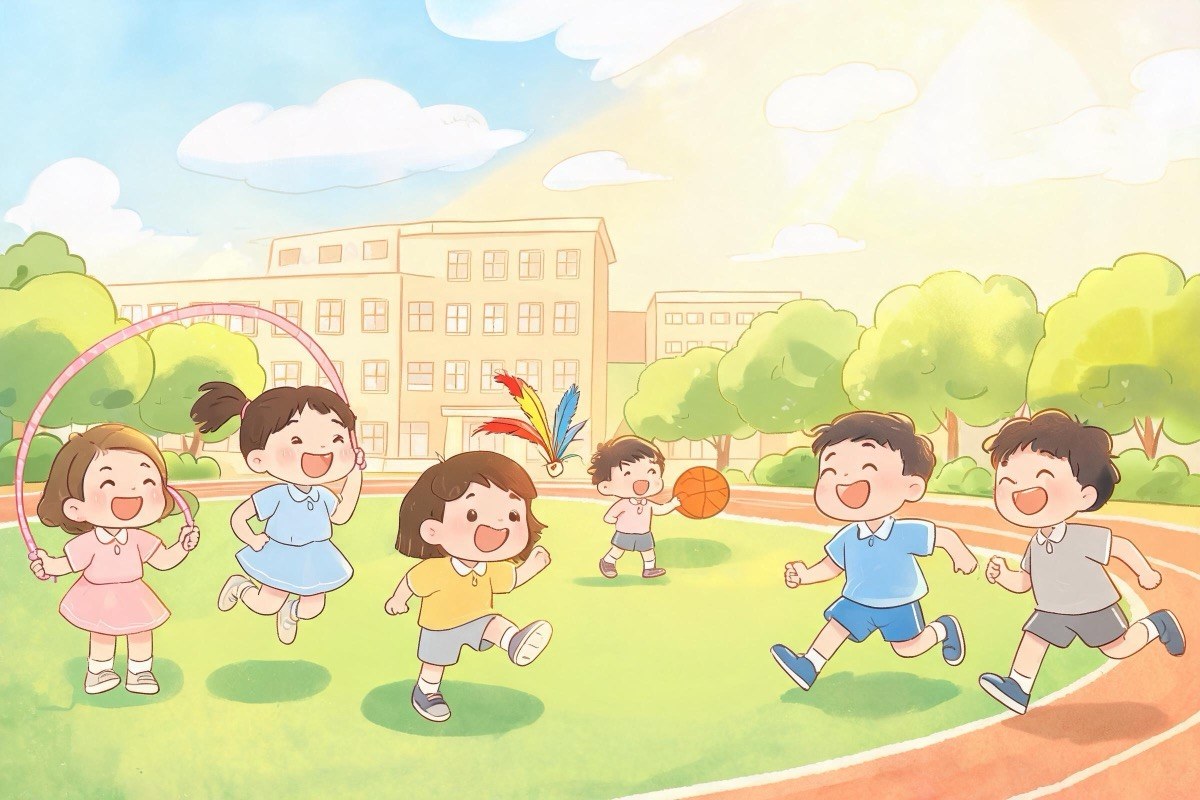
韩小满的课间是操场上的风。她跳绳、踢毽子、跟同学追跑,铃响时常常头发乱、脸通红,灌一大瓶水回来。有一回她跑进教室差点撞门框,我心想,这样成绩能好才怪。可她的语文和英语课上得吓人:眼睛一直跟着老师,手一直举着,别人答错的题她能补上。期末她跟我说,她下课玩痛快了,上课就没心思想别的。
那段时间我的课间是第三种:半玩不玩,坐在位子上翻翻书又发发呆,哪头都没占。我的课堂表现也是第三种:听是听了,走神也常有。学期末我对照三个人的期末成绩和平时小测,发现一个规律:坐得最久的人不一定学得最好,玩得最痛快的人上课反而最清醒。
寒假里我重新安排了自己的课间:前十分钟里,先接水、上厕所,剩下的时间出去走一圈,看看天,看看树,让耳朵听听操场上的声音。回来以后,我发现自己翻书的手变快了,老师讲的第一句话我也能接住了。原来教室的专注,是在操场上存下的。
这学期的期中成绩出来,我进步了十几名。我不觉得是我变聪明了,我只是不再一边写作业一边惦记操场,也不再一边玩一边惦记作业。人在一件事里,才做得动一件事。这是两个同学演给我看的心得,比任何大道理都管用。
Two Classmates, Two Kinds of Breaks, Two Kinds of Lessons
In the first term of sixth grade I sat in the middle of the classroom, with a perfect view of two people: my deskmate Fang Yiming, and Han Xiaoman in the row in front. Their breaks were complete opposites. I watched a whole term and understood one thing.
The breaks of Fang Yiming sound like a pencil. At the bell he opens an extracurricular problem book and never lifts his head. If someone calls him, he waves a hand, insisting on finishing this one problem. His schoolbag always holds one extra scratch paper covered in writing. But I also saw the other side: halfway through the next lesson his head started nodding up and down. When the teacher called his name, he stood up and took several seconds to find the page. His math is actually not bad, yet after every pop quiz he says his mind went blurry in the middle of listening.
The breaks of Han Xiaoman are wind on the playground. She skips rope, kicks the shuttlecock, chases classmates, and at the bell her hair is messy and her face bright red as she gulps down a big bottle of water. Once she dashed into the classroom and nearly hit the door frame, and I thought, it would be a miracle if her grades were good. But her Chinese and English lessons were frightening: her eyes followed the teacher the whole time, her hand stayed raised, and she could patch up the answers others got wrong. At term end she told me that after playing hard at break, her mind had no room for anything else in class.
My own breaks back then were a third kind: half playing, half not, flipping through a book at my desk then spacing out, belonging to neither side. My behavior in class was also the third kind: I listened, but my mind wandered often. At term end I compared the three of us across final grades and pop quizzes, and found a pattern: the one who sat longest did not necessarily learn best, and the one who played hardest was the most awake in class.
During winter vacation I rearranged my own breaks. In the first part of the ten minutes I fetch water and use the restroom, then use the rest to walk a lap outside, look at the sky, look at the trees, and let my ears hear the sounds of the playground. After coming back, I found my hand turning pages faster, and I could catch the very first sentence of the teacher. It turns out that focus inside the classroom is stored outside on the playground.
When the midterm grades came out this term, I moved up more than ten places. I do not think I became smarter. I simply stopped doing homework while missing the playground, and stopped playing while missing homework. A person can only do one thing well while living inside that one thing. This is the lesson two classmates acted out for me, and it works better than any grand saying.
小提示:上面此文档内容仅展示完整文档里的部分内容, 若需要下载完整文档请 点击免费下载完整文档 。