文章内容
捉鱼作文的三个场景怎么分配字数与细节
捉鱼作文的三个场景不是平均用力的。卷起裤腿下水是铺垫,追鱼扑空是高潮,终于抓到一条是收获,字数分配建议按一成、五成、四成来排。下水段写一百字左右就够,重点交代溪水的凉、石头的滑和脱鞋卷裤腿的动作,让读者站到岸边。追鱼段要写满两百五十字,这是全文最紧张的部分,抓鱼段再写一百五十字收尾。
下水段最容易犯的错误是写得太长。很多同学在岸边换鞋脱袜就写了三行,其实一句带过就行:把裤腿卷到膝盖上面,赤脚踩进水里,脚底一滑,赶紧抓住同伴的胳膊。这句话里有动作(卷、踩、抓)和感觉(凉、滑),场景就立住了。剩下的篇幅留给溪里的部分。
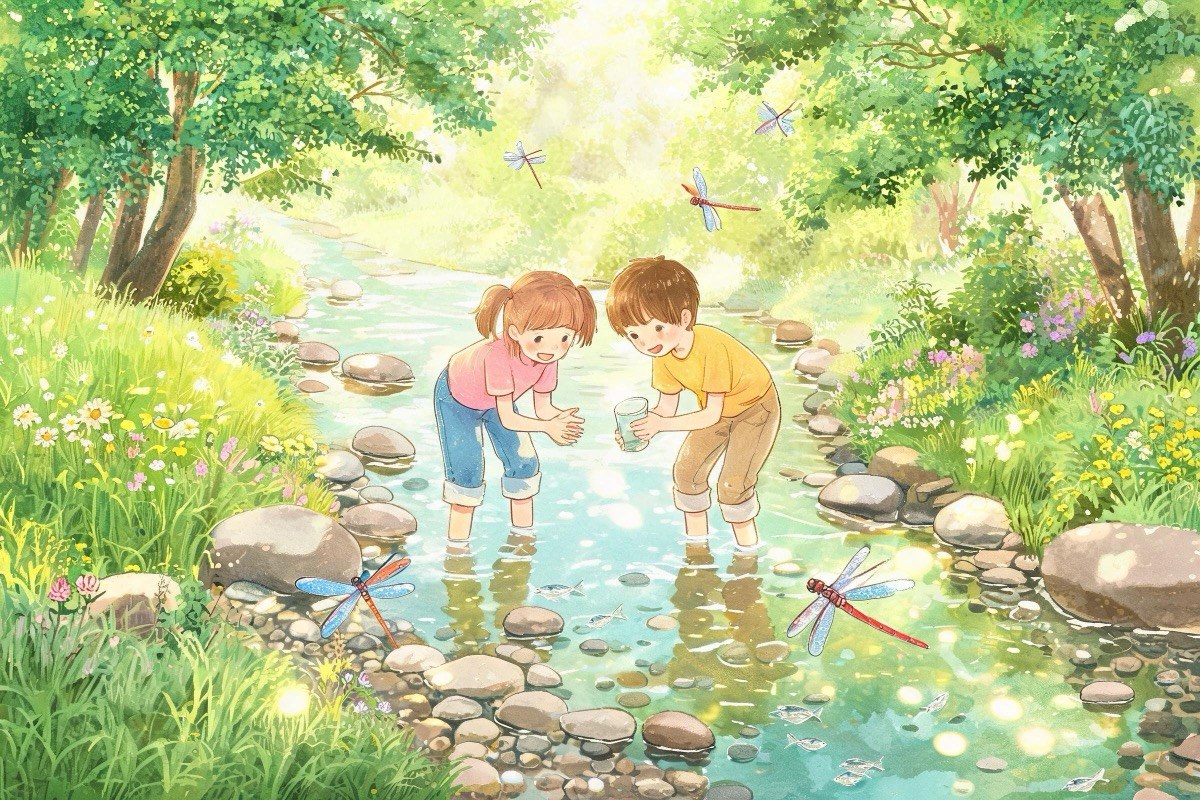
追鱼扑空段的核心是把一个动作拆成三步。第一步发现鱼:浅水里有个黑影,指给同伴看,压低声音说别动。第二步靠近:弯下腰,手慢慢伸进水里,屏住呼吸,指尖离鱼不到一尺。第三步扑空:手刚碰到鱼尾巴,鱼尾巴一摆,水花溅到脸上,鱼已经钻到石头缝里。三步写完再加一句心理:又急又气,攥着湿淋淋的手直跺脚。动作拆得越细,紧张感越强,读者会跟着你屏住那口气。
心理描写不要单独成段,插在动作缝隙里最自然。靠近鱼的时候插一句心跳,扑空之后插一句懊恼,抓到之后插一句欢呼,各一两句就收。整篇心理描写的总量控制在八十字以内,多了就成了自言自语,冲淡了动作的节奏。
终于抓到一条这段,先写怎么改变办法再写结果。第一次扑空后别直接抓到,要换个招:和同伴两人围堵,一人伸手赶,一人双手在下游兜。鱼撞进手里那一刻写具体:鱼身在掌心里扭,滑溜溜的,尾巴拍打手腕,指头赶紧收紧。收尾写举着鱼喊、后来把它放回溪里,欢乐落在动作和画面上,不用喊今天真开心这类口号。
How to Split Words and Details Across the Three Scenes of a Fish-catching Essay
The three scenes of a fish-catching essay should not get equal weight. Rolling up the trouser legs is the setup, chasing and missing is the climax, and finally catching one is the reward. A good split is roughly one fifth, one half, and two fifths of the word count. The entering-water scene needs only about a hundred words: the cold stream, the slippery stones, shoes off, trousers rolled, one hand grabbing a friend for balance. Save the rest for the water.
The most common mistake is spending too long on the bank. Do not use three lines on taking off socks. One sentence is enough: rolled the trousers above the knees, stepped barefoot into the water, the foot slipped, and I grabbed my friend arm at once. That sentence carries actions (rolled, stepped, grabbed) and feelings (cold, slippery), and the scene stands.
The chase-and-miss scene works by splitting one motion into three steps. Step one: spot the fish, a dark shadow in the shallow water, point it out in a whisper. Step two: close in, bend the waist, sink the hand slowly, hold the breath, fingertips less than a foot away. Step three: miss, the tail flicks as fingers touch it, water splashes on the face, the fish is gone under a stone. Add one line of feeling after: half angry, half anxious, stamping the wet hand. The finer the motion split, the tighter the tension.
Do not give feelings their own paragraph. Drop them into the gaps between actions: a beating heart while closing in, one line of regret after the miss, a shout after the catch. Keep the total under eighty characters, or the essay starts talking to itself and the action loses its pace.
For the final catch, change the method before getting the result. After the miss, try a new plan: two people surround the fish, one drives it forward, one cups both hands downstream. Make the moment concrete: the fish twists in the palm, slippery, the tail beating the wrist, fingers closing tight. End by holding it up with a shout and later letting it go. The joy lands on actions and pictures, not on slogans.
一篇500字捉鱼范文长什么样:逐段点评
假设一篇范文第一段这样开头:八月里太阳把石头晒得发烫,我们一群孩子却直奔村后的小溪,因为昨天有人看见浅湾里有鱼。这一段只有两句话,第一句交代天气和地点,第二句抛出有鱼这个钩子。点评:开头不写暑假真漫长之类的铺垫,直接让有鱼两个字把读者拽进溪边,这是最省字数的进法。
第二段写下水:到了溪边,大家甩掉凉鞋,把裤腿卷了一道又一道,还是滑到膝盖上面。我先把一只脚探进水里,凉气顺着小腿往上爬,忍不住打了个哆嗦,才两只脚都踩下去。脚底的圆石头滚来滚去,我张开胳膊保持平衡,活像一只笨拙的螃蟹。点评:这段的亮点是探、打哆嗦、张开胳膊三个细节,顺序和真实下水的动作完全一致。螃蟹这个比喻只出现一次,不堆砌,字数也控制在一百二十字上下,正好是下水段该有的分量。
第三段写追鱼扑空,是全文最长的一段:阿亮先看见那条小鱼,食指放在嘴边做了个噤声的动作。我们猫着腰往前挪,水浅得只到脚踝,鱼停在两块石头中间,一动不动。我把手慢慢沉进水里,指尖刚碰到它凉丝丝的尾巴,它猛地一甩尾,水花打在我鼻尖上,再伸手,石头缝里只剩一点浑水。我气得朝水里捶了一拳,溅了自己一脸。点评:这一段把靠近拆成看见、猫腰挪、沉手、碰到、甩尾五个小动作,一个接一个,读者跟着紧张。捶一拳这个动作写得好,懊恼全靠动作表现,没有一个字喊我好气。
第四段写换办法抓到:第二次我们不扑了。阿亮在上游拍手把鱼往下赶,我蹲在下游,两只手合拢成一个兜。鱼慌慌张张撞过来,一下子撞进手心里,它在指缝里扭,尾巴啪啪地打我的手腕。我大喊抓到了,声音都劈了。点评:换办法这一步让故事有了转折,说明孩子从失败里学了乖。撞进手心、指缝里扭、尾巴打手腕,三个触感连排,抓到那一刻不用形容高兴,手感的细节已经把高兴写完了。
结尾段:我们把鱼养在罐头瓶里看了一下午,傍晚又把它倒回溪里,看它摆摆尾巴游进石头缝。点评:结尾用放鱼收束,情感落在动作上,不喊这条鱼让我明白了什么。两处可改的地方:一是下水段的螃蟹比喻后面可以再删半句,笨拙的意思重复了;二是扑空段捶水之前缺一句心里的鼓劲,加一句我心想这次准行,扑空的落差会更明显。
What a 500-word Fish-catching Model Essay Looks Like: Paragraph by Paragraph
Suppose a model essay opens like this: in August the sun made the stones too hot to touch, yet a crowd of us kids headed straight for the stream behind the village, because someone had spotted fish in the shallow bend yesterday. Two sentences only: the first sets weather and place, the second dangles the hook of fish being there. Review: no warm-up about how long summer vacation feels; the word fish pulls the reader to the bank, and that is the cheapest way in.
The second paragraph covers entering the water: we flung off sandals, rolled trouser legs once and again, still slipping above the knees. I dipped one foot first, the cold crept up my calf, I shivered, then put both feet down. Round stones rolled under my soles, I spread my arms to balance, looking like a clumsy crab. Review: the best parts are dip, shiver, spread arms, in exactly the real order of getting in. The crab simile appears once, no pile-up, and the paragraph stays near a hundred and twenty words, the right weight for a setup scene.
The third paragraph, the longest, is the chase and miss: Ah Liang saw the little fish first and put a finger to his lips. We crept forward crouched, the water barely at our ankles, the fish resting between two stones, motionless. I sank my hand into the water, and the moment my fingertips touched its cool tail it flicked hard, water splashed on my nose, and when I reached again only cloudy water remained in the crack. I punched the water in frustration and splashed my own face. Review: the approach splits into five small motions - spot, crouch, sink, touch, flick - and the reader holds breath with you. The punch is excellent: frustration shown entirely by action, not one word of I am so angry.
The fourth paragraph is the new plan that works: this time we stopped lunging. Ah Liang clapped upstream to drive the fish down while I crouched downstream with both hands cupped into a basket. The fish darted in panic straight into my palms, twisting between my fingers, its tail slapping my wrist. I shouted that I got it, my voice cracking. Review: changing the method gives the story its turn, showing kids learning from failure. Into the palms, twisting in the gaps, tail on the wrist - three touches in a row. The joy never needs naming; the physical detail already says it.
The closing: we kept the fish in a jar all afternoon, then poured it back into the stream at dusk and watched it flick into a crack between stones. Review: ending with letting go lands the feeling on action, no lesson shouted. Two places to improve: the half-sentence after the crab simile repeats clumsiness and can go; and before the punch, one line of self-encouragement - I thought this time it will work - would make the miss hit harder.
小提示:上面此文档内容仅展示完整文档里的部分内容, 若需要下载完整文档请 点击免费下载完整文档 。