文章内容
对比式怀念作文的写法:过去与现在怎么交替
怀念类作文最容易犯的错,是把过去写了一整页,最后一段突然站出来说我怀念童年。对比要交替着做才有力量。三种交替结构里,最稳的是三明治式:现在重访开头一小段,中间两大段写溪边戏水和树荫午睡的过去,结尾回到现在的溪边收束。开头那段只要三四句,写站在溪边的变化,比如桥修宽了、石头少了,勾着读者往回走。
过去两段之间也要有衔接,不能硬切。戏水段写完,接午睡段可以用一个身体感觉过渡:玩累了,我们就爬到岸上的大樟树下,草席一铺,蝉声盖过来,眼皮就沉了。身体从水里到树下,场景就换了,不用写接下来我们去午睡这种报幕句。
对比句要具体,不要抽象。别写现在的我没有从前快乐,要写具体的对照:以前一条浅水沟能玩一整个下午,现在整条河修了护栏,反而不知道手该往哪里放。这样的句子把怀念落在物件上,读者自己会得出从前快乐的结论,比作者喊出来重十倍。
三个场景的字数分配:戏水段两百二十字,午睡段一百八十字,重访段一百五十字,开头结尾各七八十字。戏水段放最多的细节,因为它是欢乐的本体;午睡段节奏要慢,句子可以长一点,配合困意;重访段句子收短,短句子带失落。
感悟不是单独一段,是从最后一个画面上长出来的。重访段结尾停在某个具体东西上,比如把手伸进水里,凉意和记忆里一模一样,站了一会儿,转身往回走。到这里停笔,感悟已经全在动作里了。如果还想加一句,只加一句短的,像溪水还是那个温度,只是听的人长大了,加完就结束,绝不加第二段议论。
How to Write a Contrast-style Nostalgia Essay: Alternating Past and Present
The most common mistake in nostalgia essays is filling a whole page with the past and then, in the last paragraph, a small voice suddenly announces that childhood is missed. Contrast only carries force when past and present alternate. Of the three alternating structures, the sandwich is the safest: a short present-day revisit to open, two long middle paragraphs of playing in the stream and napping in tree shade, and an ending back at the stream today. The opening needs three or four sentences only - the widened bridge, the missing stones - pulling the reader backward.
The two past scenes also need a seam. After the water play, transition through a bodily feeling: tired out, we climbed to the big camphor tree on the bank, spread a grass mat, and the cicadas covered everything as our eyelids grew heavy. The body moves from water to shade and the scene changes; no announcement like next we took a nap.
Contrast sentences must be concrete. Do not write that the present me is less happy; write the object-level pair: once a shallow ditch could hold a whole afternoon, now the river has railings and I no longer know where to put my hands. Nostalgia lands on things, and the reader reaches the conclusion on their own, which weighs ten times more than the author shouting it.
Word budget: two hundred and twenty for water play, one hundred eighty for the nap, one hundred fifty for the revisit, seventy or eighty each for opening and closing. Put the most details in the water scene, the joy itself; slow the nap scene with longer sentences matching drowsiness; shorten sentences in the revisit, because short sentences carry loss.
The insight is not its own paragraph; it grows out of the last image. Stop the revisit on one concrete thing: hand into the water, the cold exactly as memory kept it, a moment standing, then turning back. End there - the insight is already inside the action. If one more line is unavoidable, keep it short, like the stream still holds that temperature, only the listener has grown up, and stop at once. Never a second round of commentary.
一篇600字范文逐段拆解:溪水声里的童年怎么写
拿一篇约六百字的溪水声里的童年做例子,逐段看每段在干什么。开头段只有三句话:上周末我又路过那条小溪。水还是浅的,脚底的石头换成了水泥。我站了很久,好像听见了从前的声音。第一句把人放进现场,第二句用物件写变化,第三句用声音打开记忆的口子,没有一句废话,也没有一句抒情。
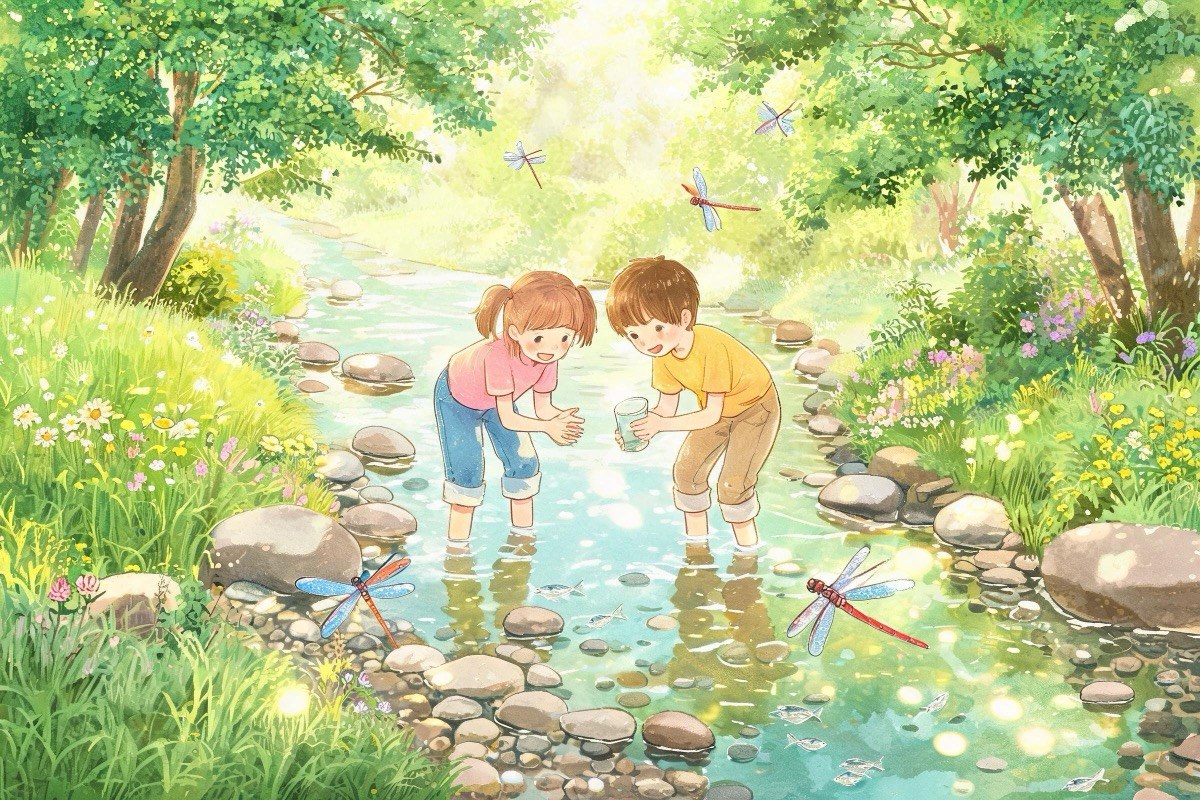
戏水段最长,约两百二十字,范文只写一件事:用石头拦水捉小鱼。看它怎么写的,谁搬石头,谁舀水,小鱼在困住的水洼里是什么样子,鱼跑了以后一群人怎么喊。有动词,有声音,有一句对话。拆解要点是:这一段没有写我们玩得很开心,而是用一件小事的过程让读者自己确认快乐。仿写时先挑一件具体的事,别贪心写三件。
午睡段约一百八十字,节奏明显放慢。范文用的是长句子:玩累了,就在岸上的樟树下铺开草席,困意伴着蝉声涌上来,连梦里都有水的凉气。拆解要点是这一段靠感觉完成任务,草席的触感、蝉声、梦里的凉气。连梦里都有水的凉气这句是全文最好的一句,它属于把自己放回现场才写得出的东西。
重访段约一百五十字,回到现在。范文写溪边的现在:护栏是新的,水边的石头没了,对岸有几个小孩在喊,但没有下水。然后接一句对照:我们从前也是一喊就跳下去的。拆解要点是对照落在下水这个动作上,而不是落在快乐或者不快乐这种抽象词上,读者自己会补出失落。
结尾段只有两句:我蹲下来把手伸进水里。温度跟记忆里一样。拆解要点是文章停在这里,一个字都没有再解释怀念童年,感悟全在动作和温度里。整篇加起来六百字出头,四段的比例是开头短、中间两段长、结尾短。仿写时照着这个形状填自己的事,偏差不会大。
A 600-word Model Essay Broken Down Paragraph by Paragraph: Childhood in the Sound of the Stream
Take a model essay of about 600 words titled Childhood in the Sound of the Stream, and watch what each paragraph is doing. The opening has three sentences only: last weekend I passed the stream again; the water was still shallow but the stones under foot had been replaced by concrete; I stood a long time and almost heard voices from back then. Sentence one places the body at the scene, sentence two shows change through objects, sentence three opens the door of memory through sound. No wasted word, and no sentimentality.
The water-play paragraph is the longest, about 220 words, and it writes one event only: damming the stream with stones to trap small fish. Watch how it works - who carried stones, who scooped water, what the fish looked like in the trapped pool, what the shout was when they escaped. Verbs, sounds, one line of speech. The lesson: the paragraph never says we were happy; one small event lets the reader confirm the joy. When imitating, pick one event, never three.
The nap paragraph, about 180 words, slows down on purpose. Long sentences: tired out, we spread a grass mat under the camphor tree, drowsiness rolled in with the cicadas, and even the dreams smelled of water. The job here is sensory - the mat, the cicadas, the cool smell of dreams. The line about dreams smelling of water is the best sentence in the piece, and only someone who put themselves back inside the scene could write it.
The revisit paragraph, about 150 words, returns to today: new railings, no stones left by the water, a few children on the far bank shouting but not entering. Then one contrast line: back then we jumped in at a single shout. The contrast lands on the action of entering water, not on abstract words like happy or unhappy; the reader supplies the loss.
The ending has two sentences: I crouched and put my hand into the water; the temperature matched the memory. The essay stops there, never explaining that childhood is missed - the insight lives in the action and the temperature. Total just over 600 words, with a short-long-long-short shape across four paragraphs. Copy the shape, pour in your own event, and the result will not be far off.
小提示:上面此文档内容仅展示完整文档里的部分内容, 若需要下载完整文档请 点击免费下载完整文档 。